
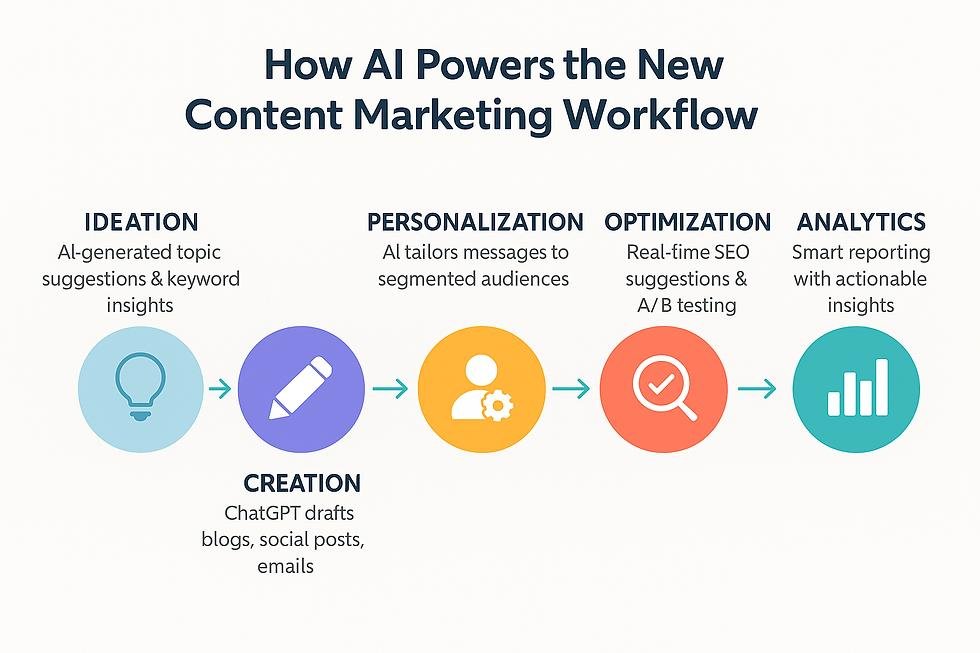
Artificial Intelligence (AI) is no longer just a futuristic technology. In 2026, it has become an important part of everyday digital marketing. From creating content and analyzing customers to improving SEO, managing advertising campaigns, and personalizing customer experiences, AI is helping businesses market faster and more efficiently.
At the same time, AI is changing how people discover information online. Google has expanded AI-powered Search through AI Overviews and AI Mode, while AI-driven search is encouraging users to ask longer, more conversational questions. Google reported in May 2026 that AI Mode had surpassed one billion monthly active users globally and that AI Mode queries had more than doubled each quarter since launch.
For marketers, this means that digital marketing in 2026 is not simply about producing more content. It is about using AI intelligently while maintaining creativity, trust, and a strong understanding of customers.
1. AI Is Transforming Content Creation
One of the biggest changes AI has brought to digital marketing is faster content creation. Marketers can use AI tools to generate blog ideas, social media captions, email drafts, video scripts, ad copy, and content outlines within minutes.
For example, instead of spending hours brainstorming 20 Instagram post ideas, a marketer can use AI to generate ideas based on a specific audience, industry, or campaign goal.
However, AI-generated content should not simply be published without review. As more businesses use similar AI tools, generic content can easily become repetitive. Successful brands will need to add human experience, opinions, examples, storytelling, and original insights to make their content stand out.
In 2026, AI is best viewed as a content assistant rather than a complete replacement for the marketer.
2. SEO Is Moving Toward AI Search
Traditional SEO focused heavily on ranking webpages for specific keywords. But search is becoming more conversational and AI-powered.
Google’s AI Overviews and AI Mode can provide users with AI-generated answers while also directing them toward relevant websites and original content. Google has also introduced features designed to help users discover original sources and firsthand perspectives within AI Search.
This creates a new opportunity for marketers.
Instead of focusing only on ranking for one keyword, businesses should create useful, authoritative, well-structured content that clearly answers customer questions.
For example, rather than writing an article simply targeting “digital marketing agency,” a business could create detailed content answering questions such as:
- What does a digital marketing agency do?
- How much does digital marketing cost?
- Which digital marketing strategy is best for a small business?
- How can SEO generate leads?
This approach can help businesses become useful sources of information across traditional and AI-powered search.
3. AI Is Making Advertising Smarter
Paid advertising is another area being transformed by AI.
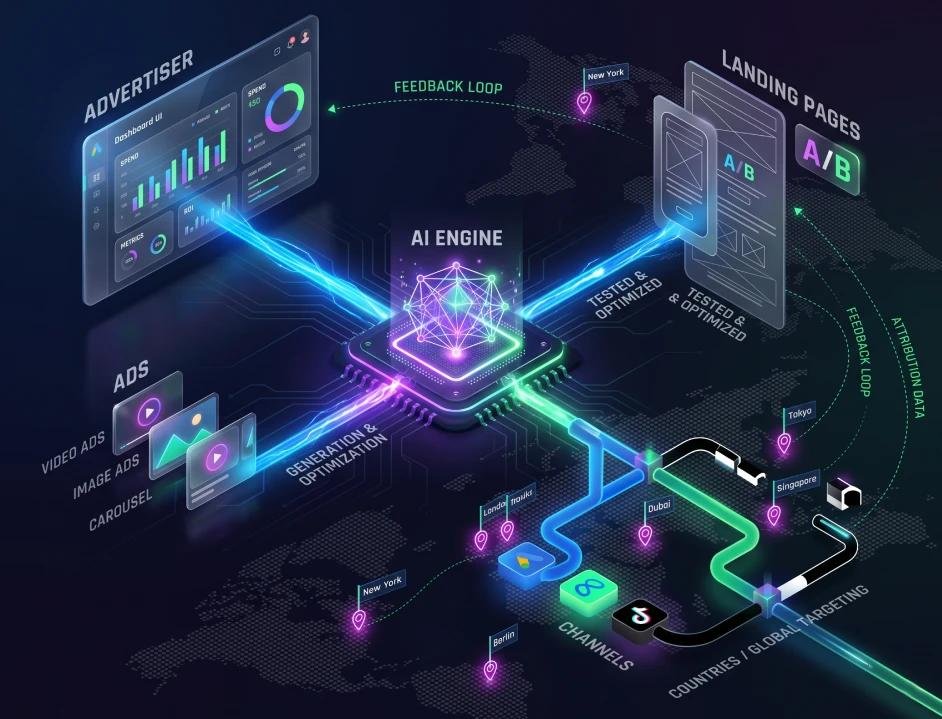
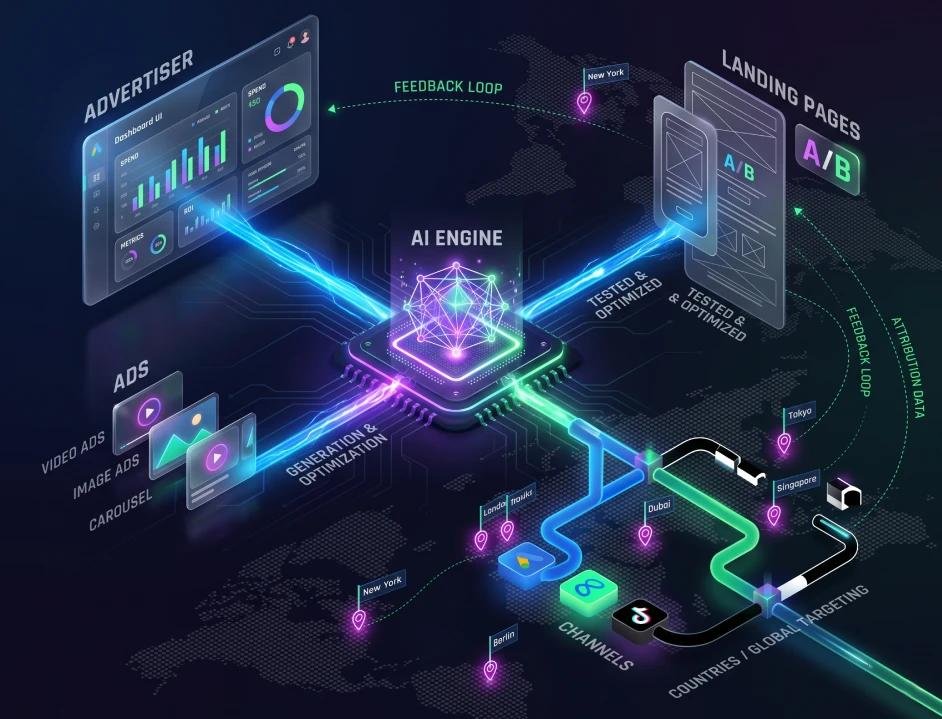
Platforms such as Google and Meta increasingly use machine learning and automation to help advertisers identify audiences, optimize campaigns, test creative variations, and allocate budgets.
Instead of manually adjusting every campaign element, marketers can increasingly provide goals, budgets, audience signals, and creative assets while AI handles much of the optimization.
This can save time and improve efficiency, particularly for small businesses that may not have large advertising teams.
However, marketers still need to understand targeting, positioning, creative strategy, conversion tracking, and customer behavior. AI can optimize a campaign, but it cannot automatically determine the best business strategy in every situation.
4. Personalization Is Becoming More Powerful
Customers expect brands to provide relevant experiences. AI makes personalization possible at a much larger scale.
Businesses can use AI to analyze customer behavior and identify patterns such as what customers search for, what products they view, what emails they open, and what content they engage with.
This information can then be used to create more relevant marketing messages.
For example, an online store could show different product recommendations to different customers based on their interests and previous interactions.
The result is a more personalized customer journey, potentially improving engagement and conversions.
5. AI Is Improving Customer Service
AI-powered chatbots and virtual assistants are becoming increasingly common in digital marketing.
A business can use an AI chatbot to answer frequently asked questions, explain services, collect leads, schedule appointments, or guide customers toward relevant products.
This means customers can receive assistance outside normal business hours.
However, businesses should provide an easy way for customers to reach a human when a question is complex or sensitive. Good customer experience requires a balance between automation and human interaction.
6. Data and Analytics Are Becoming More Valuable
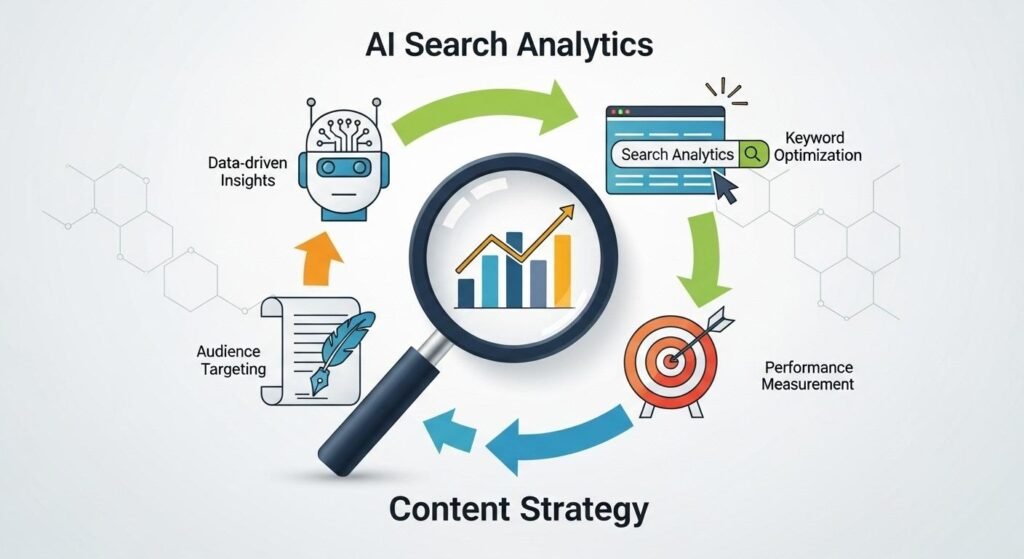
Digital marketing produces enormous amounts of data. AI can analyze this information much faster than humans can manually.
AI can help marketers identify trends, understand customer behavior, predict potential outcomes, and discover which campaigns are performing well.
For example, instead of simply looking at website traffic, marketers can analyze which visitors are most likely to become customers and which marketing channels are generating valuable leads.
This allows businesses to make more data-driven marketing decisions rather than relying only on assumptions.
7. Human Creativity Still Matters
Despite the rapid growth of AI, creativity and human judgment remain extremely important.
AI can generate hundreds of headlines, captions, images, and ideas, but it does not automatically understand a brand’s personality, culture, audience emotions, or unique experience.
In fact, as AI-generated content becomes more common, authenticity can become a competitive advantage.
Brands that combine AI efficiency with human creativity, expertise, and original experiences can create content that feels more trustworthy and memorable.
Conclusion
AI is changing digital marketing in 2026 by making marketing faster, smarter, more personalized, and increasingly automated. It is transforming content creation, SEO, advertising, analytics, customer service, and audience targeting.
But the future of marketing is not simply AI versus humans. The strongest approach is likely to be AI + human expertise.
Marketers who learn how to use AI tools while continuing to develop skills in strategy, creativity, SEO, storytelling, branding, and customer psychology will be better positioned to succeed.
The biggest lesson for businesses is simple: don’t use AI just to create more marketing—use it to create better marketing. In 2026, the brands that combine technology with authenticity, useful content, and genuine customer value will have the strongest opportunity to stand out.